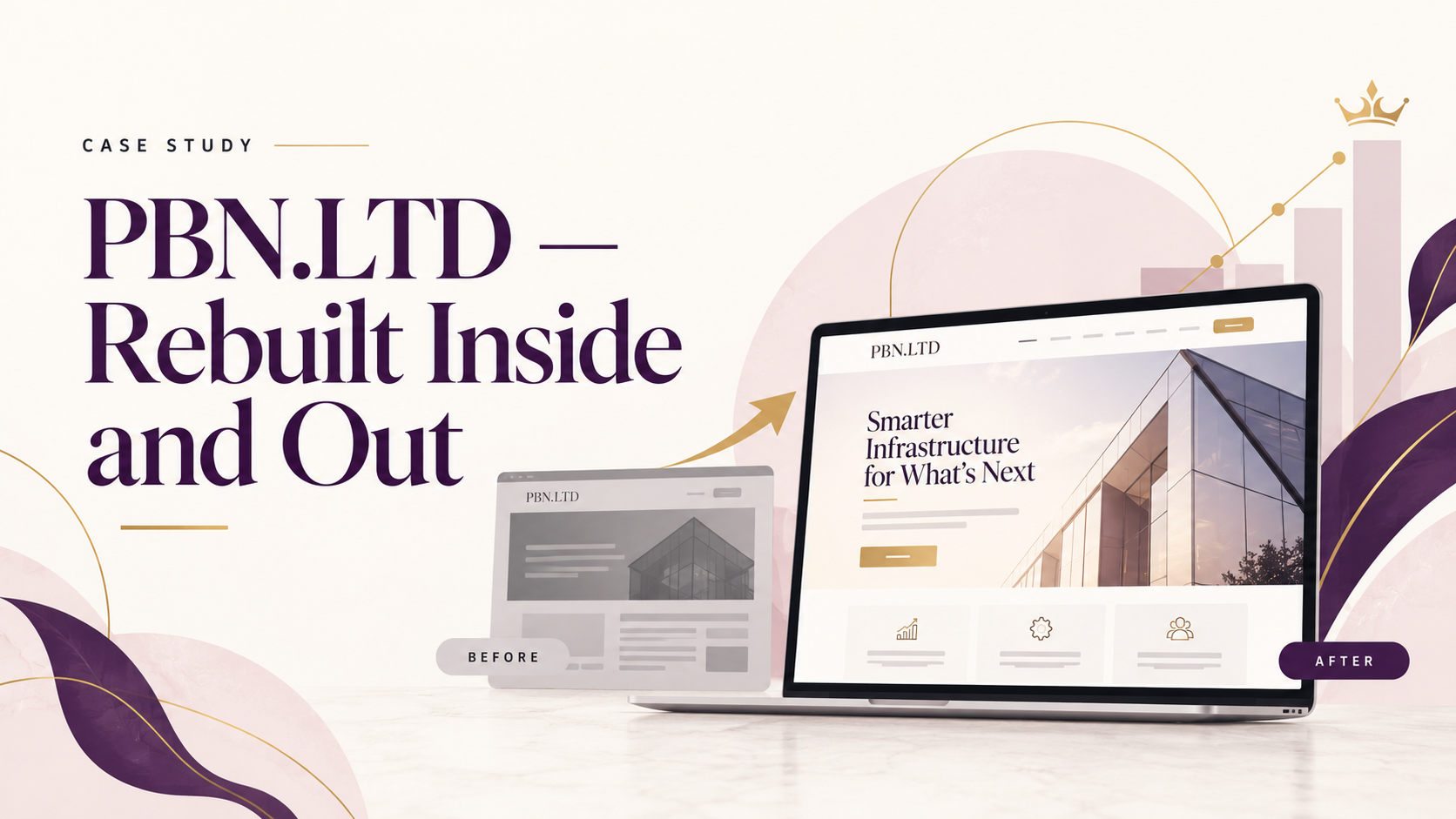
PBN.LTD is a specialist hosting platform built for the SEO industry — thousands of sites running across its network, with customers all over the world. I’ve worked with them for years, and my role is about as hands-on and wide-ranging as it gets. I don’t just advise on what should change — I design it, build it, run it, and I’m the one customers hear back from when they need help.
When I came in, a fair amount of the platform had been left half-built or half-working by a previous development team. So the job has been two things at once: get everything working properly and reliably, then push the whole product forward — the website, the customer dashboard, the billing, the infrastructure underneath it, the support, and the marketing that brings new customers in. All of it is live today — and this is the full picture of what “doing the work” really looks like.
A website that finally matches the product
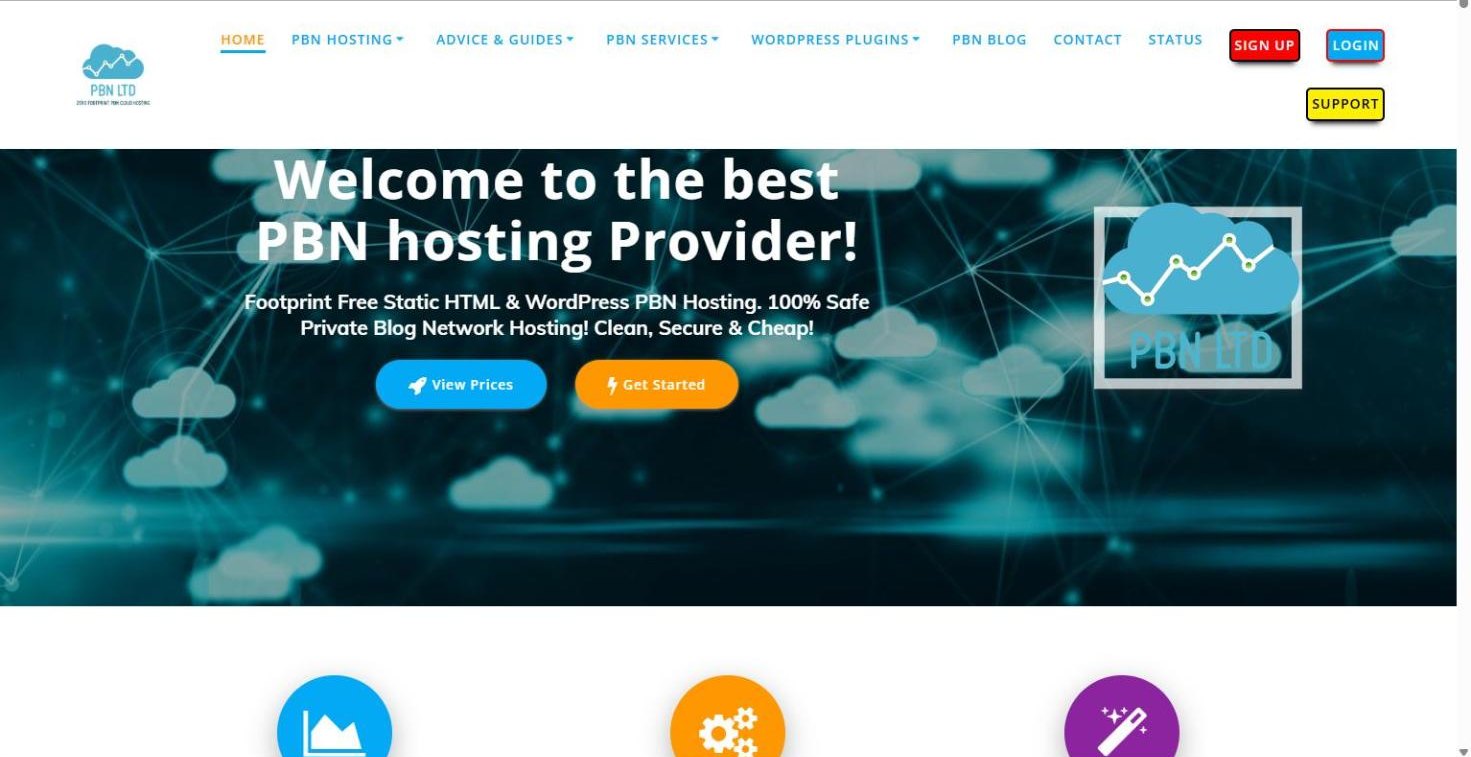
When I took on the website, it looked its age. A busy, templated homepage, mismatched colours, stock imagery — and, worst of all, nothing that actually explained what made the platform different or better. For a company selling technical hosting to a clued-up audience, it undersold everything.
I rebuilt it from the ground up — the same kind of web design and development work I do for my own clients. A clean, modern, science-driven brand with one clear message, proper trust signals (a free trial, no card required, a money-back guarantee, cancel anytime), a live domain search built straight into the homepage, and live chat so questions get answered before they turn into a lost sign-up.
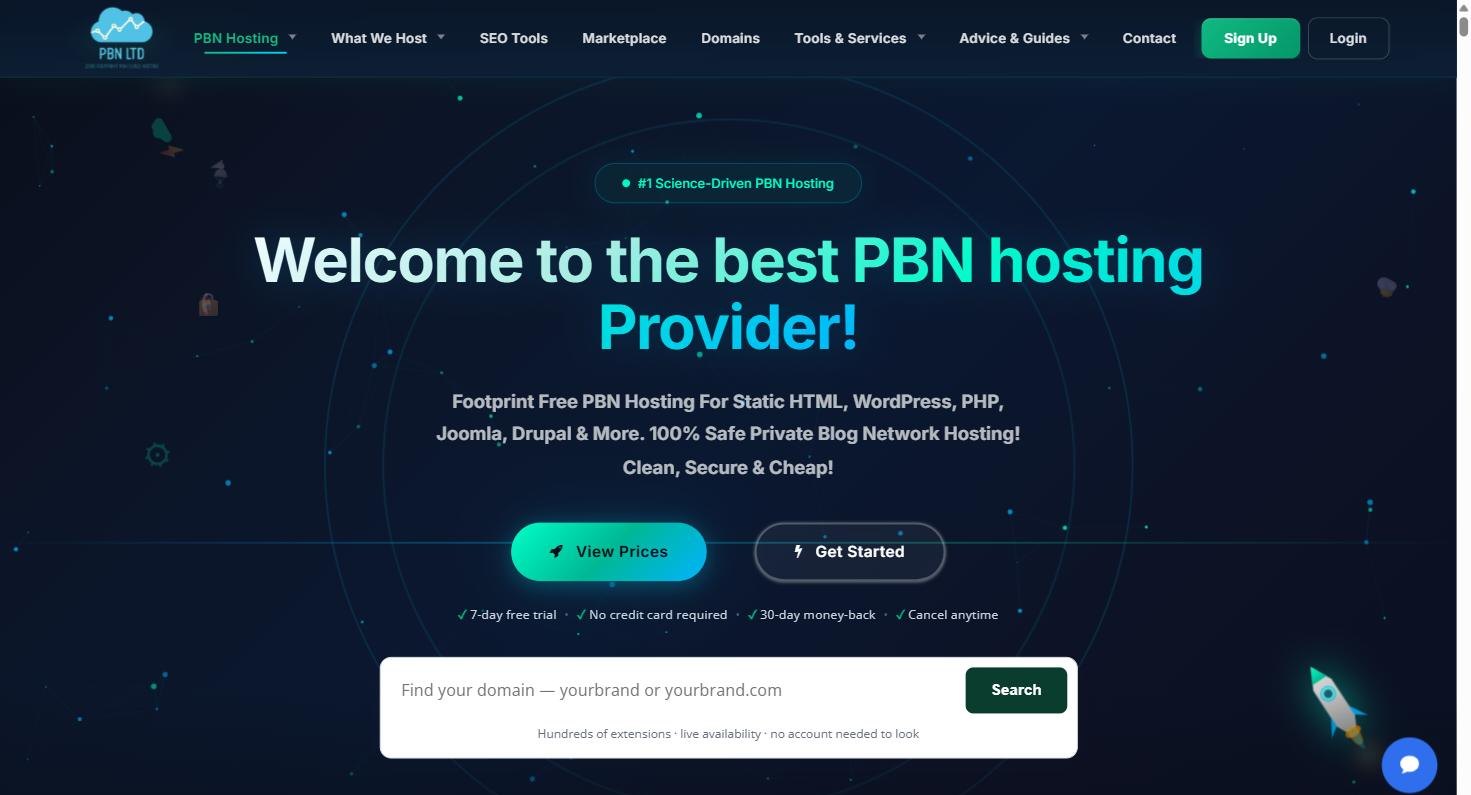
It isn’t just a fresh coat of paint. Every element on the page now has a job — explain the product, build trust, and move the right person towards starting a trial. It’s the front door to everything else below, and it’s built to convert.
A knowledge base customers can actually use
A hosting platform lives or dies on support, and the fastest support of all is the kind where the customer never has to ask. So I built PBN.LTD a complete knowledge base from scratch — every feature, every workflow, every common fix, documented in plain English instead of jargon.
Then I plumbed in semantic search. Rather than making people guess the exact keyword an article was written around, they can describe their problem in their own words and still land on the right answer. Customers help themselves faster, the support queue stays shorter, and the knowledge base quietly handles a chunk of the support load around the clock.
Putting customers in control of their own sites
A lot of the work has been about handing customers real visibility and control, so they’re never in the dark and never stuck waiting on a ticket for something they could do themselves.
That means error logs surfaced right in the dashboard, so someone can spot a PHP issue and fix it without raising a ticket. Each site’s live status — online or offline — visible at a glance, so nobody has to check by hand. Real-time database and site-size usage, so when a customer is making fixes they can see the effect immediately. And clear in-dashboard notices, with top-up links, when a site reaches a usage cap — no silent surprises.
On top of that, there are bulk tools for people running large accounts — updating PHP versions or making an account-wide change in one go instead of site by site — control over PHP settings and modules, a proper onboarding walkthrough for new users, an announcements area, and simple built-in ways to report a bug or suggest a feature. The direction is always the same: fewer locked doors, less guesswork, and a dashboard that makes sense to normal people, not just developers.
Billing that works the way customers actually do
Payment is where a lot of hosting companies quietly lose people, so flexibility matters. So I rebuilt the billing to bend to the customer instead of the other way around: pay monthly, quarterly, every six months or yearly; upgrade or downgrade at any point — not only at the next renewal — whether someone pays by card, PayPal or crypto; full invoices and complete payment history in the dashboard; and VAT handling built into checkout for the businesses that need it.
There’s a win-back side to it too — reconnecting with customers who’ve drifted away and giving them a real reason to come back, rather than letting them go quietly.
A platform that looks after itself
The least glamorous work is often the most important. A lot of my focus has gone into making the platform robust and as hands-off as it can be: proactive monitoring and automated recovery, catching problems early and, wherever possible, fixing them before a customer ever notices.
That includes near-instant reactivation, so when an account is paid or a site is unfrozen it comes straight back rather than crawling back one at a time; automated migrations, so moving a site between servers is clean and safe instead of manual and risky; proper backups and snapshots, with a paid hourly-backup option for customers who want it; and honest capacity monitoring behind the scenes, so scaling the servers is something I plan for in advance rather than scramble to react to.
Turning a hosting platform into a marketplace
Hosting is the core, but there’s far more a platform like this can offer — and a big part of the work has been turning PBN.LTD into a genuine one-stop shop customers can buy from without jumping through hoops.
That means a proper domain marketplace: buying aged domains straight through the dashboard, searching by the metrics that matter, registering brand-new domains, and even letting customers safely sell their own. It means the extras people already ask for — backlinks, done-for-you PBN builds, malware and database cleanups — available as a quick in-dashboard purchase rather than a back-and-forth. And it means add-ons that make the platform genuinely stickier: rank and keyword tracking, AI-visibility tracking and content, staging environments, extra databases and storage, mainstream one-click hosting for money sites, and an affiliate programme to bring new customers in through word of mouth. Every one of those is a better experience for the customer and a new line of revenue for the business.
Modernising what’s under the hood
Alongside everything customers can see, I’ve been dragging the platform itself up to date — refreshing an ageing stack, bringing dependencies up to current versions, and finishing off the parts that were never done properly the first time. I’ve also built the connective tissue a modern platform needs: a customer-facing API with proper documentation so people can plug PBN.LTD into their own tools, delegated access for teams, a single merged system for live chat and support tickets, a proper email and email-marketing setup, and mobile apps for both customers and admin.
The growth engine: Google and Reddit
None of this matters if nobody’s coming through the door, so I also run the entire paid acquisition operation — Google and Reddit campaigns, end to end. That’s the strategy, the targeting, the ad copy, the conversion tracking and the constant day-to-day tuning, all drawing on my years in SEO, Google Ads and marketing. I handle the technical side of tracking too, making sure campaigns optimise towards real sign-ups and payments rather than vanity clicks, and that every traffic source is attributed properly so I always know what’s actually working.
Right now those campaigns bring in more than 250,000 tracked visits and over 500 new paying customers every single month — and because I manage all of it directly, every pound of ad spend is held to account.
And I’m who the customers actually deal with
All of it feeds one thing: a platform people can rely on and a company that’s easy to deal with. Day to day I’m the human on the other end — answering customer emails, working directly with the SEO clients, and handling the support tickets. Being that close to customers isn’t a side job; it’s where half the roadmap comes from. Every recurring question is a clue about what to document, automate or rebuild next, so the support work and the product work constantly feed each other.
The short version
PBN.LTD isn’t a project I wrote a report for and walked away from. It’s a platform I’ve redesigned, rebuilt, automated, monetised, marketed and supported — and I’m still pushing it forward. That’s what “done-for-you” really means when I say I’ll do the work: not advice from the sidelines, but someone who’ll take the whole thing on and run it like it’s their own.
If you’ve got something that needs that kind of attention — whether it’s a single fix, some honest advice or a full done-for-you build — I’d love to hear about it. Get in touch and tell me what’s on your plate.